Best Sausage Stuffer Material: Why Stainless Steel Wins
What is the best material for a sausage stuffer?
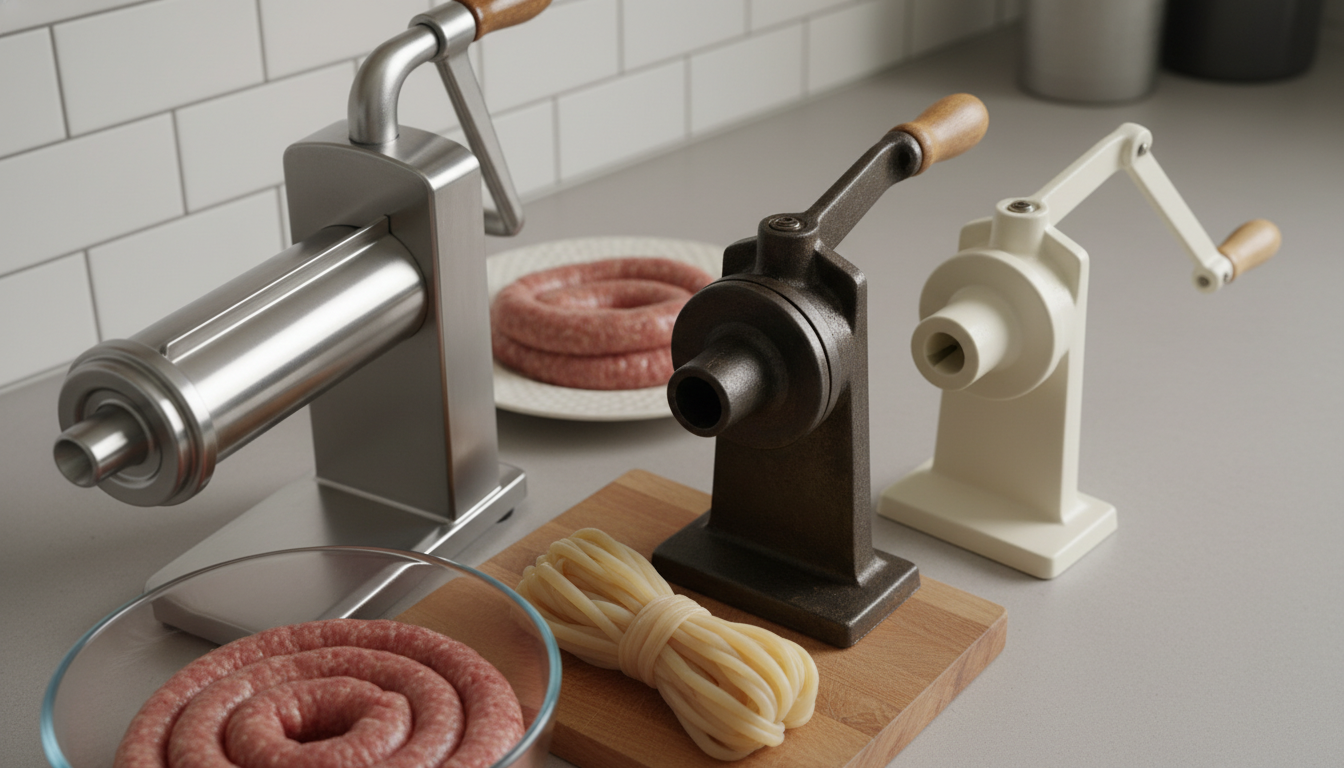
The best material for a sausage stuffer is stainless steel, especially for anyone who makes sausage regularly or wants equipment that will last for years. Stainless steel resists rust, won’t absorb odors, handles cold meat mixtures well, and cleans up easily without staining or pitting. It also holds up under pressure better than softer metals, which matters when you’re pushing thicker grinds or working with firmer casings.
Why stainless steel is the top choice
Stainless steel is prized for food-contact safety and durability. It won’t react with salt, spices, or acidic ingredients the way some metals can, and it’s tough enough for frequent use. Many stainless models also have sturdier gears, base plates, and cylinders, which helps reduce wobble and makes stuffing smoother and more consistent.
When aluminum or plastic can still work
Aluminum stuffers are often lighter and less expensive, and they can be a practical pick for occasional home use. The tradeoff is that aluminum can discolor over time and may be more prone to surface wear, especially if scrubbed aggressively.
Plastic stuffers (or plastic components) can be convenient for small batches and are easy to handle, but they tend to be less rigid and can retain odors or develop scratches. Scratches matter because they can hold residue and make deep cleaning harder.
What to look for beyond the body material
Material is the foundation, but performance also depends on build details: a smooth cylinder interior, a well-sealed piston, sturdy gears, and a stable base. If choosing stainless steel, look for food-grade construction and solid welds or fittings, plus stuffing tubes that feel thick and secure.
For a deeper breakdown of materials, pros and cons, and how to pick the right build for your kitchen setup, visit the main guide here: https://charmata.com/blog/what-is-the-best-material-for-a-sausage-stuffer/.
FAQ
Is a vertical or horizontal sausage stuffer better?
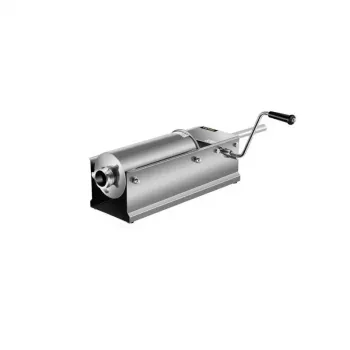
Vertical stuffers are usually more stable and easier to crank for larger batches, while horizontal models can be compact and fine for small runs. If you plan to stuff frequently, a vertical design is typically the more comfortable long-term choice.











Leave a comment