Best Lubricant for a Sausage Stuffer (Food-Safe Picks)

What is the best lubricant for a sausage stuffer?
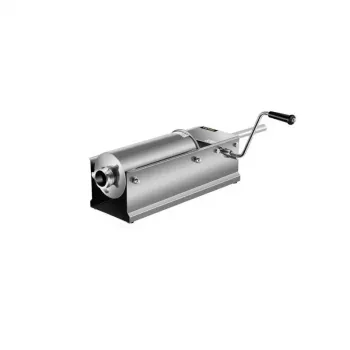
The best lubricant for a sausage stuffer is a food-safe lubricant that won’t affect flavor, won’t gum up the mechanism, and can be cleaned away easily. For most home cooks and small-batch makers, the simplest and most reliable choice is a light coating of food-grade mineral oil on moving parts (gears, piston seals, and threaded shafts), paired with a little water on contact surfaces that touch the meat (like the stuffing tube) to reduce drag.
Best lubricant choices (and where to use them)
Food-grade mineral oil (for gears, pistons, and metal-on-metal contact)
Food-grade mineral oil is odorless, stable, and designed for incidental food contact. Use it sparingly on the stuffer’s drive components and any places where metal rubs metal. A thin film is enough—over-lubricating can attract meat residue and make cleanup harder.
Food-grade silicone grease (for O-rings and seals)
If your stuffer has rubber/silicone O-rings or piston seals, a small amount of food-grade silicone grease can help them glide smoothly and reduce wear. It stays in place better than oil, making it useful for seals that tend to bind. Confirm the product is rated food-safe and compatible with your seal material.
Water (for the stuffing tube and meat contact areas)
For the stuffing tube and any surface that directly contacts the meat flow, many sausage makers use cold water as the “lubricant.” It reduces friction without adding oiliness to the casing or altering texture. Re-wet as needed during long stuffing sessions.
Lubricants to avoid
Avoid petroleum lubricants not labeled food-safe, general-purpose sprays (including many aerosol lubricants), and cooking sprays for mechanical parts. Non-food-safe products can contaminate food, while cooking sprays can become sticky over time and may lead to buildup in gears or threads.
Quick application tips
Clean and fully dry the stuffer first. Apply lubricant with a clean fingertip or cloth, focusing only on friction points. After stuffing, disassemble and wash as recommended by the manufacturer, then reapply a light coat to protected metal parts to help prevent corrosion.
For a deeper breakdown of options and maintenance pointers, see the full guide here: https://charmata.com/blog/what-is-the-best-lubricant-for-a-sausage-stuffer/.
FAQ
Can you use cooking oil to lubricate a sausage stuffer?
It’s not ideal for the mechanism because many cooking oils can turn tacky or rancid over time. If you must, keep it limited to short-term use and clean thoroughly afterward; for moving parts, food-grade mineral oil is a better long-term choice.














Leave a comment