Manual Meat Grinder vs Electric: Which Is Better?
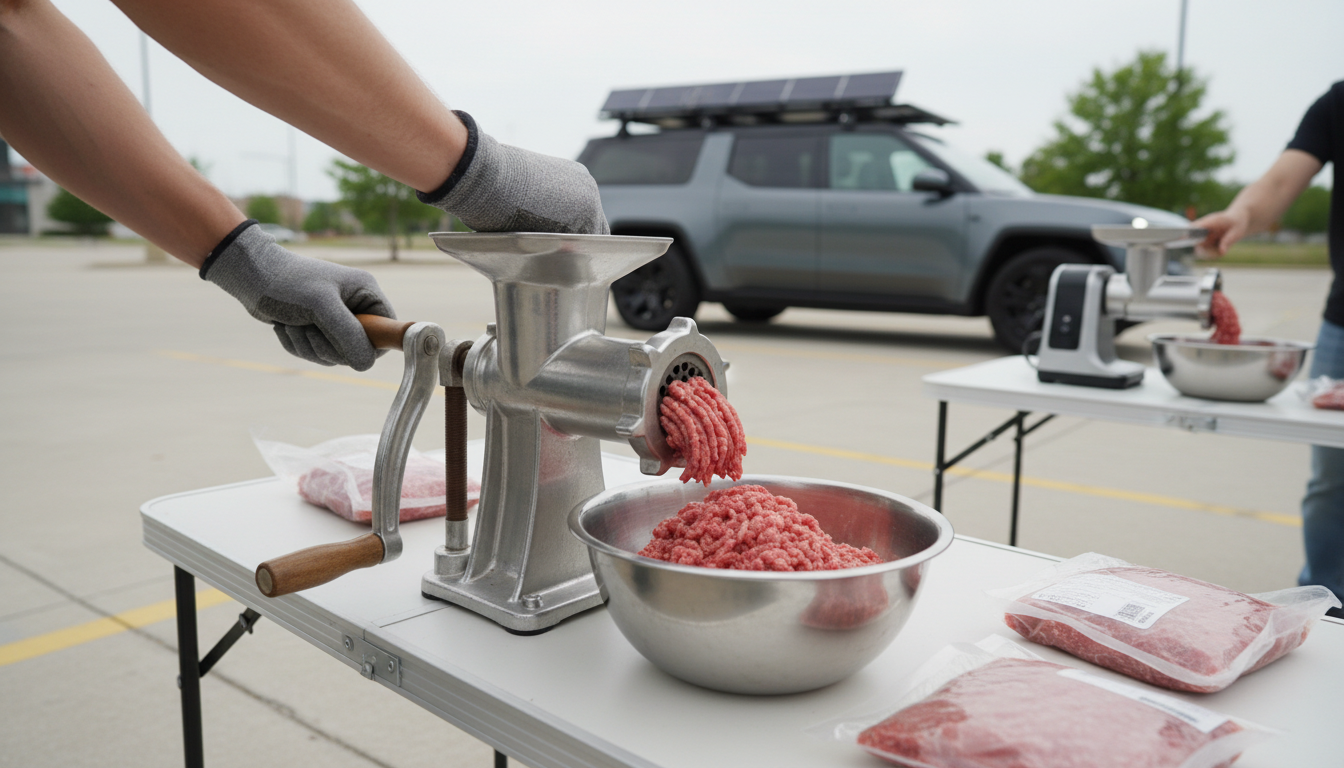
Is a manual meat grinder better?
A manual meat grinder can be better, but only for the right kitchen and the right batch size. If the goal is to grind small amounts with maximum control, fewer parts, and no reliance on electricity, a hand-crank model is often the more satisfying choice. For frequent grinding or big weekend prep sessions, an electric grinder typically wins on speed and convenience.
When a manual grinder is the better pick
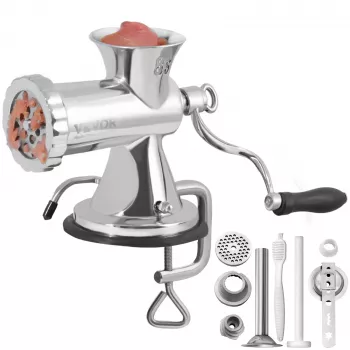
Manual grinders shine when control and simplicity matter more than volume. The slower, steady feed helps prevent smearing, especially if the meat is well-chilled, and the straightforward mechanism is easier to understand and troubleshoot. They’re also handy for camping setups, power outages, or small kitchens where counter space is limited. Many people like that manual grinding feels more deliberate, and it’s easier to stop immediately if a tendon or sinew needs trimming.
Where manual grinders fall short
The trade-off is effort and time. Grinding several pounds can get tiring, and a slower pace can warm the meat if you pause often—making it harder to get clean, distinct strands. Clamp-style manual grinders also rely on a sturdy surface; if the counter edge is thick or the table wobbles, cranking becomes frustrating. If sausage-making is a priority, stuffing with a manual setup can be more hands-on and may require extra coordination to keep a consistent fill.
What “better” usually means for most shoppers
For occasional burgers, meatloaf, or a small batch of fresh ground chicken, a quality manual grinder can be a smart buy: affordable, compact, and easy to store. For routine meal prep, hunting season processing, or grinding tougher cuts in quantity, electric models reduce fatigue and keep output consistent. The best choice depends on how often you grind, how much you grind at once, and whether cleanup simplicity outweighs speed.
For a deeper comparison of performance, use cases, and buying tips, visit the full guide here: https://charmata.com/blog/is-a-manual-meat-grinder-better/.
FAQ
What should I look for when buying a meat grinder?
Prioritize sturdy materials, stable mounting, and easy-to-clean parts. Match the grinder’s capacity and effort level to how many pounds you plan to process in a typical session.














Leave a comment